
AGEING, HEALTH AND QUALITY OF LIFE: UNDERSTANDING THE BIGGER PICTURE
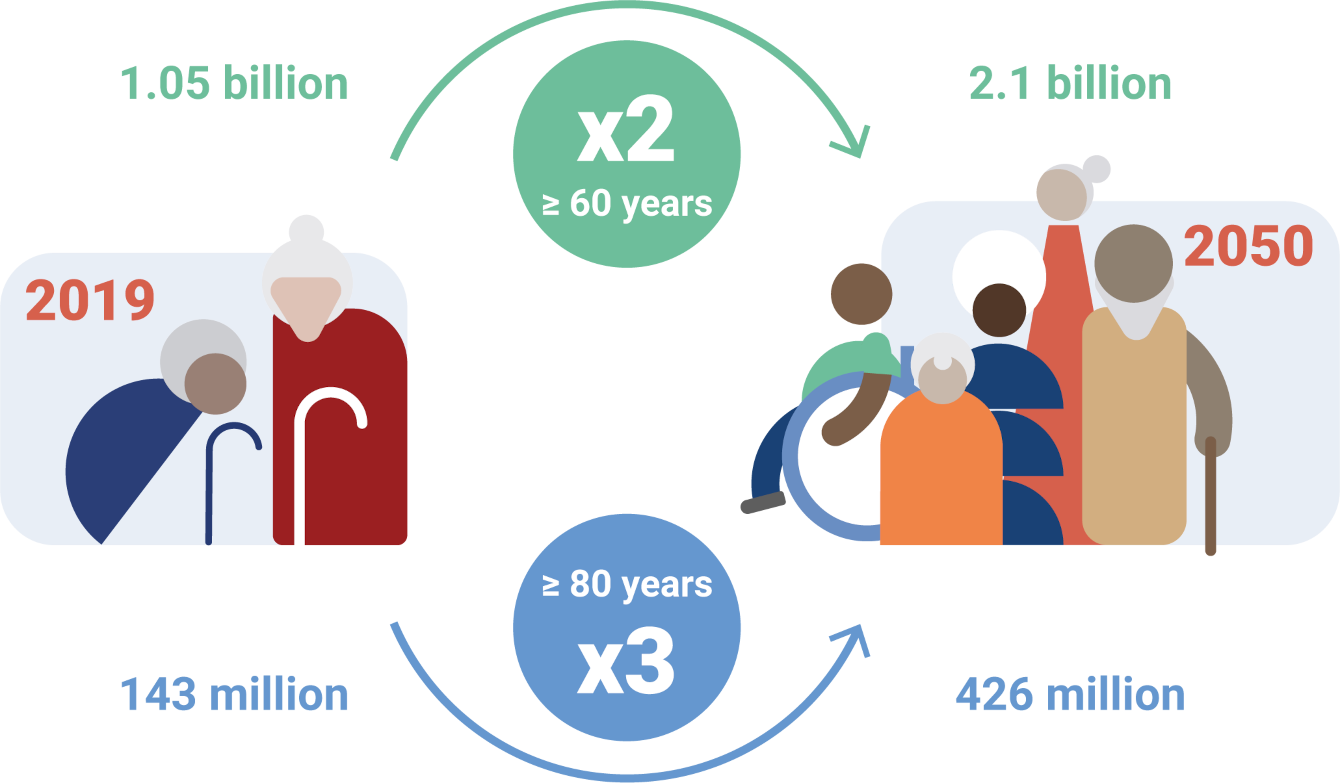
In this article, we explore what shapes ageing: the environments people live in, the life courses that bring them to later life, and the support that helps people continue to live with dignity, purpose and independence, whatever their life circumstances.
WHY AGEING IS MORE THAN A NUMBER
People do not age in the same way, and chronological age alone tells us very little about someone’s ageing status, function or capacities. Variation in health and independence among older persons is considered normal, not exceptional.
The opportunities for a person to age well is also shaped by much more than biology. Later life often involves significant economic, social and personal changes, such as retirement, moving to more suitable housing, or coping with the loss of friends and partners. These experiences can influence quality of life and wellbeing just as strongly as physical health. Importantly, successful ageing also depends on how a society accepts ageing and changing the negative societal narrative that exists around ageing.
Ageing is therefore best understood as a lifelong process, shaped by biological, social, societal and environmental factors across the life course, not simply the number of years lived. Many risk factors for age-related conditions are potentially modifiable and addressing them earlier in life can help reduce both the likelihood of illness and the extent to which it affects daily living.
It is also worth recognising that older age is sometimes characterised by complex health states such as frailty, falls, delirium, incontinence and pressure ulcers. These rarely have a single cause; they usually arise from several interacting factors that cut across traditional disease categories.
FACTORS INFLUENCING HEALTHY AGEING
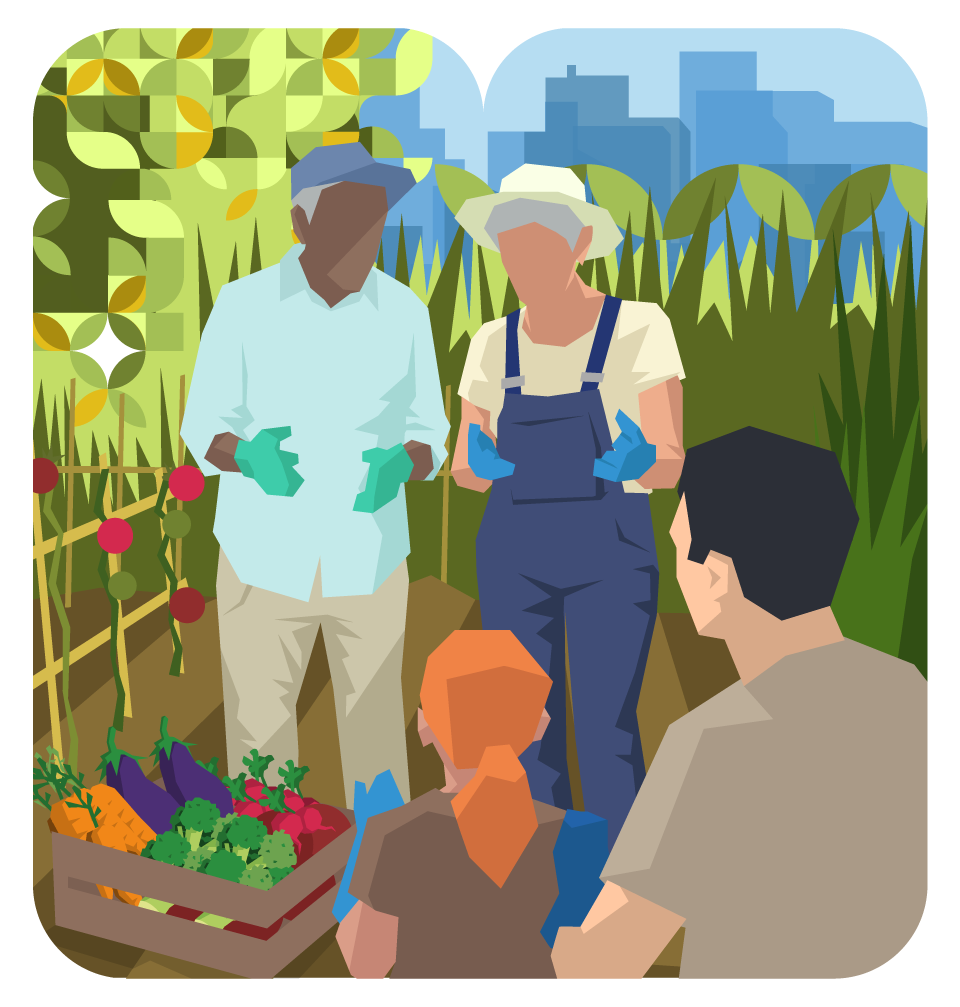
Where people live, and the environments that surround them, play an important role in healthy ageing. Safe and accessible public buildings, reliable transport, walkable neighbourhoods and inclusive workplaces all help people remain active, connected and engaged, even as health or physical capacity changes. Poorly designed environments, by contrast, can restrict participation and deepen inequality, regardless of a person’s health status.
It is essential to acknowledge that not all aspects of ageing or disease risk are within an individual’s control. Some variation in how people age is shaped by genetics and other factors that people cannot change, and much more is shaped by socioeconomic circumstances, housing, early life experiences, and the communities people belong to. Without this wider view, there is a risk of placing responsibility for health outcomes on individuals alone, while overlooking the conditions that shape risk across the whole life course.
Later life is also shaped by the pathways people have travelled to get there. Trajectories of work, caregiving and family life accumulate over decades, and their combined effect can lead to real differences in the financial and social resources people have available in older age.4 Two people of the same age can arrive at later life with very different resources, relationships and opportunities, because of how their working lives, family responsibilities and earlier life events have unfolded.
Ageism, discrimination against someone because of their age, is also a factor. Often dismissed as harmless, ageism – negative attitudes and assumptions about age and ageing – remains one of the most persistent barriers to healthy ageing. It can limit older adults’ access to healthcare, employment and social participation, and it quietly shapes how services are designed, or not designed, with older people in mind. Eliminating ageism, alongside building age-friendly environments, is one of the priority action areas of the United Nations Decade of Healthy Ageing (2021-2030).5
A meaningful public health approach to ageing, therefore, goes beyond managing loss or decline. It includes promoting health, supporting recovery and adaptation, and nurturing the ongoing psychological and social wellbeing that allows later life to remain a time of growth, connection and purpose.
HISTORICAL, ETHICAL, LEGAL, AND SOCIAL PERSPECTIVES ON HEALTHY AGEING

Together, these dimensions are a reminder that healthy ageing is also shaped by values, laws and history, not only biology.
LIVING WELL WITH COMMON HEALTH CONDITIONS IN LATER LIFE
Long-term health conditions such as heart disease, dementia, arthritis and chronic respiratory disease become more common with age. Much of the conversation about these conditions focuses on symptoms and treatment, but what matters most to the people living with them is often something else: how a condition affects their everyday life, their confidence, their relationships and their ability to keep doing what they value.
Rather than seeing these conditions purely as diagnoses, it helps to understand them as life-changing experiences.
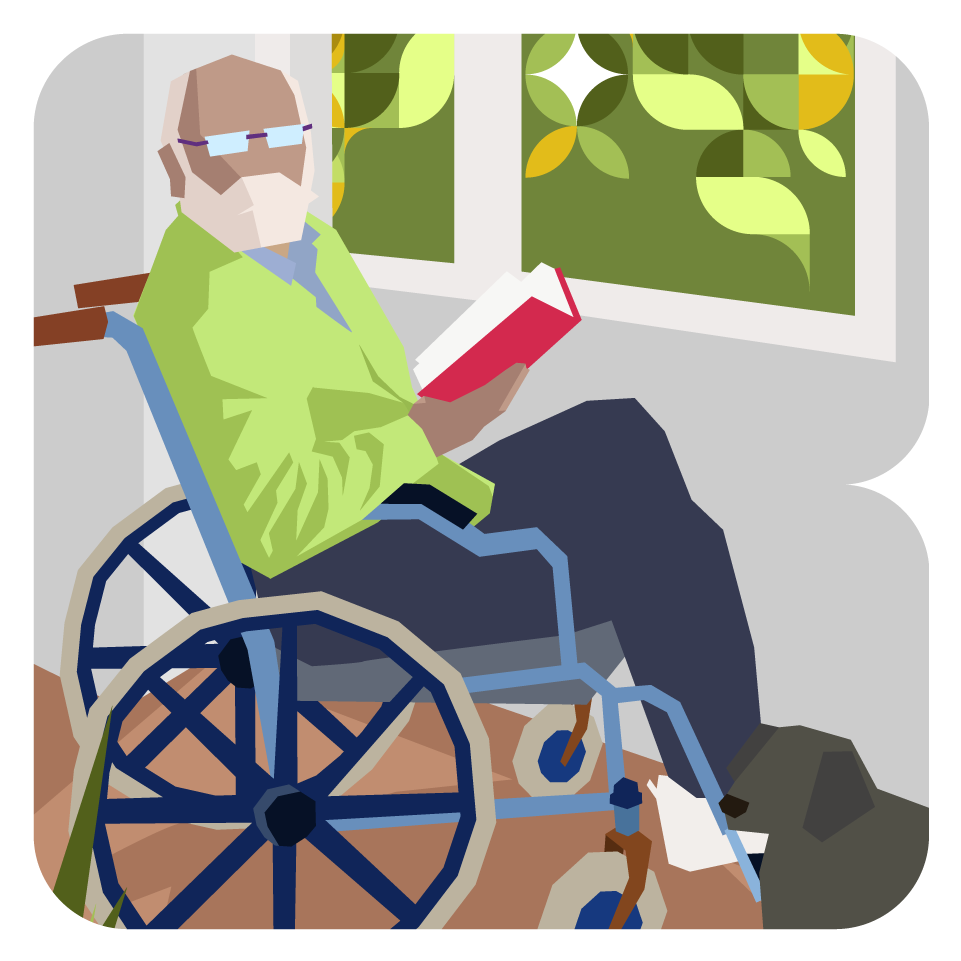
Good support, whether healthcare, family support, adaptations to the home and community, early intervention, can significantly reduce the impact on people’s lives and help them maintain the quality of life and sense of purpose that matter to them. Reimagining care as a right and a system of support, rather than a burden on individuals, families or health systems, is central to this.
One of the clearest messages from research into ageing is this:
Health conditions do not define quality of life – support, adaptation and everyday behaviours often do.
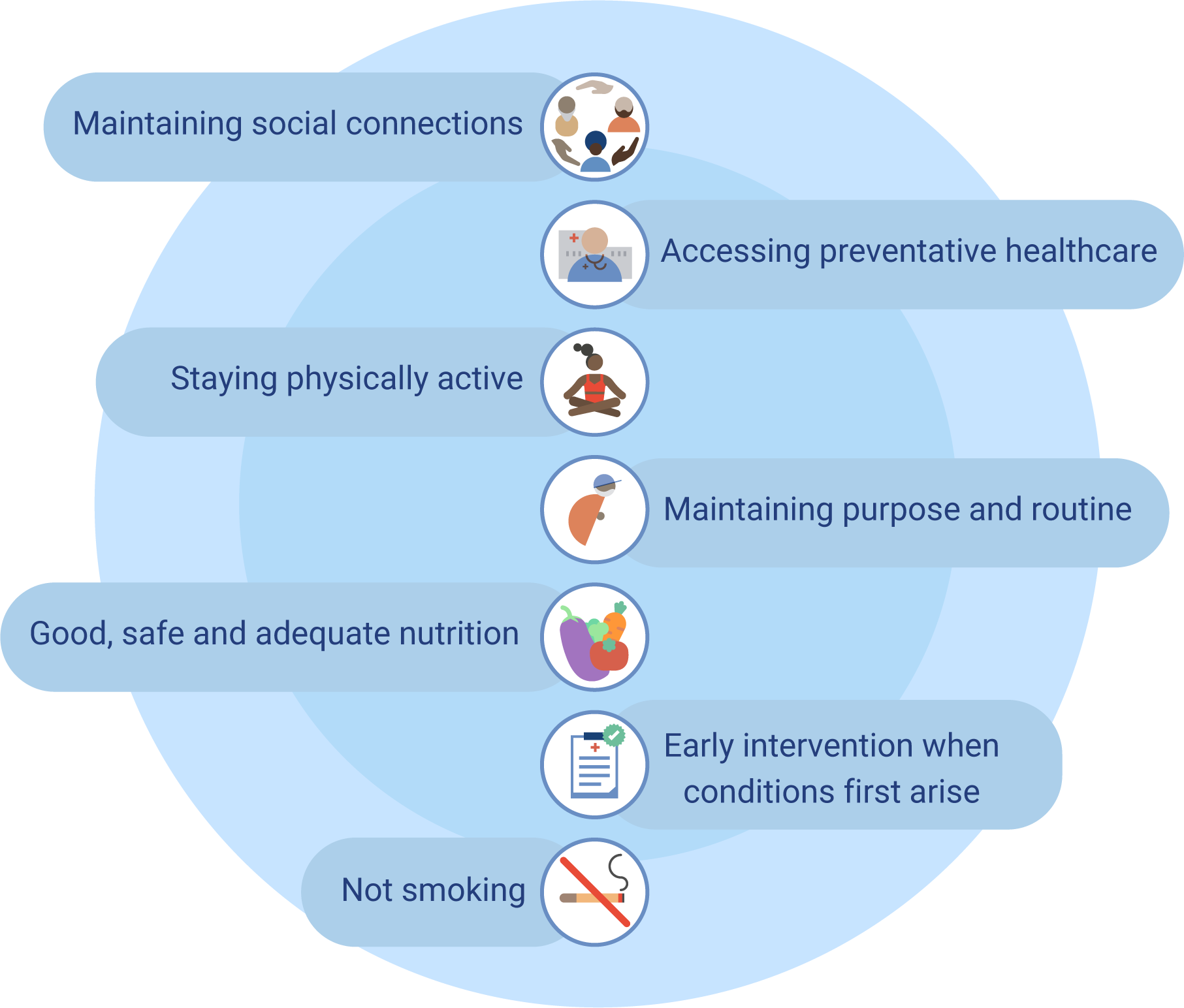
Across all condition groups, the factors most strongly associated with ageing well include:
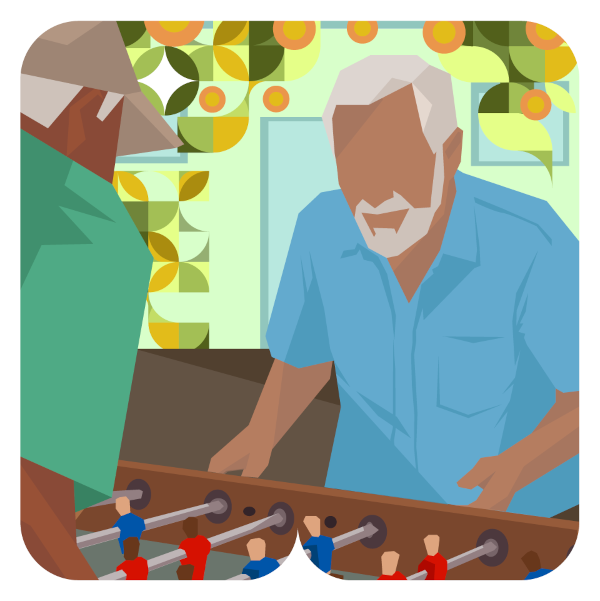
Challenging ageism matters. Prejudices such as assuming that decline is inevitable, or that older people are simply vulnerable rather than capable of continuing to contribute, shapes the services and support that are, or are not, made available to them, and can become a barrier to healthy ageing.
HOW IS STAGE CONTRIBUTING TO IMPROVING THE LIVES OF OLDER ADULTS?
A particular focus is on studying the effects when two or more chronic conditions coexist and interact. Understanding which conditions commonly emerge together, and how they cluster, will help inform earlier, more person-centred prevention and care.
Findings like these are intended to inform prevention at a population and policy level, identifying where investment in environments, services and social support would do the most to support healthy ageing, alongside the choices people make for themselves.
Our research reinforces a message that runs throughout this article: many conditions associated with ageing are neither inevitable, nor confined to older age, nor the whole story of what it means to grow older, and the environments people live, work and age in shape these outcomes as much as biology does.
SUPPORTING PEOPLE TO AGE WELL
As healthcare aims to move toward prevention and person-centred care, the emphasis should shift from simply treating disease to supporting people to live well across the lifespan, through health services, but just as much through the environments, policies and communities that shape their everyday lives.
By recognising both the challenges and opportunities associated with ageing, and by focusing on function, dignity, connection and purpose alongside health, we can help ensure that living longer is healthier, more independent, and more fulfilling, for everyone. That means designing health and social systems, workplaces, homes, and public spaces with older people in mind, rather than treating healthy ageing as something that individuals must achieve alone.
Find out more about the expected outputs from the project here.
REFERENCES
- World Health Organization (2025) Aging and Health. Accessed online 02.04.26 https://www.who.int/news-room/fact-sheets/detail/ageing-and-health
- World Health Organization. Decade of healthy ageing: baseline report (World Health Organization, 2020).
- Scott, A. J., Ellison, M., & Sinclair, D. A. (2021). The economic value of targeting aging. Nature Aging, 1(7), 616-623. doi: 10.1038/s43587-021-00080-0
- Keating, N. (2022). A research framework for the United Nations Decade of Healthy Ageing (2021-2030). European Journal of Ageing, 19, 775-787. doi: 10.1007/s10433-021-00679-7
- World Health Organization (2020) UN Decade of Healthy Ageing: plan of action. Accessed 25 June 2021. https://www.who.int/initiatives/decade-of-healthy-ageing
- World Health Organization (2015) World report on ageing and health. Geneva: World Health Organization. https://iris.who.int/items/5db2c88f-941a-472d-ac6e-f08a7e9ae20b
- World Health Organization Regional Office for Europe (2025) Health forward – a future we build together: background paper for the second European Programme of Work. Copenhagen: WHO Regional Office for Europe. https://www.who.int/europe/publications/i/item/WHO-EURO-2025-12847-52621-81537