

LIFELONG DATA, LIFELONG IMPACT: INSIGHTS FROM THE NORTHERN FINLAND BIRTH COHORTS 2026 EVENT
Did you know if you have skin changes in your toe webs, it might be a good idea to visit a doctor and have your blood sugar levels tested, as these changes may indicate pre-diabetes. This and many other findings and diagnostic criteria have been developed based on Northern Finland Birth Cohort (NFBC) data and biological samples.
On 26 May, citizens and researchers from the University of Oulu, Finland, joined both onsite and online for the 2026 edition of the NFBC public event series. This year, the cohorts founded in 1966 and 1985/1986 (NFBC1966 and NFBC1986) are celebrating their 60th and 40th anniversaries. As members of the 1966 cohort turn 60 this year, they will be invited to participate in a comprehensive health and wellbeing follow-up study during 2026–2027, part of the STAGE project.
At the public event, researchers from the University of Oulu using NFBC data explained how data from the two cohorts—and additional related studies—have been used in research and what has been discovered. They also described how data from the ongoing health and wellbeing study will be used and what outcomes are expected.


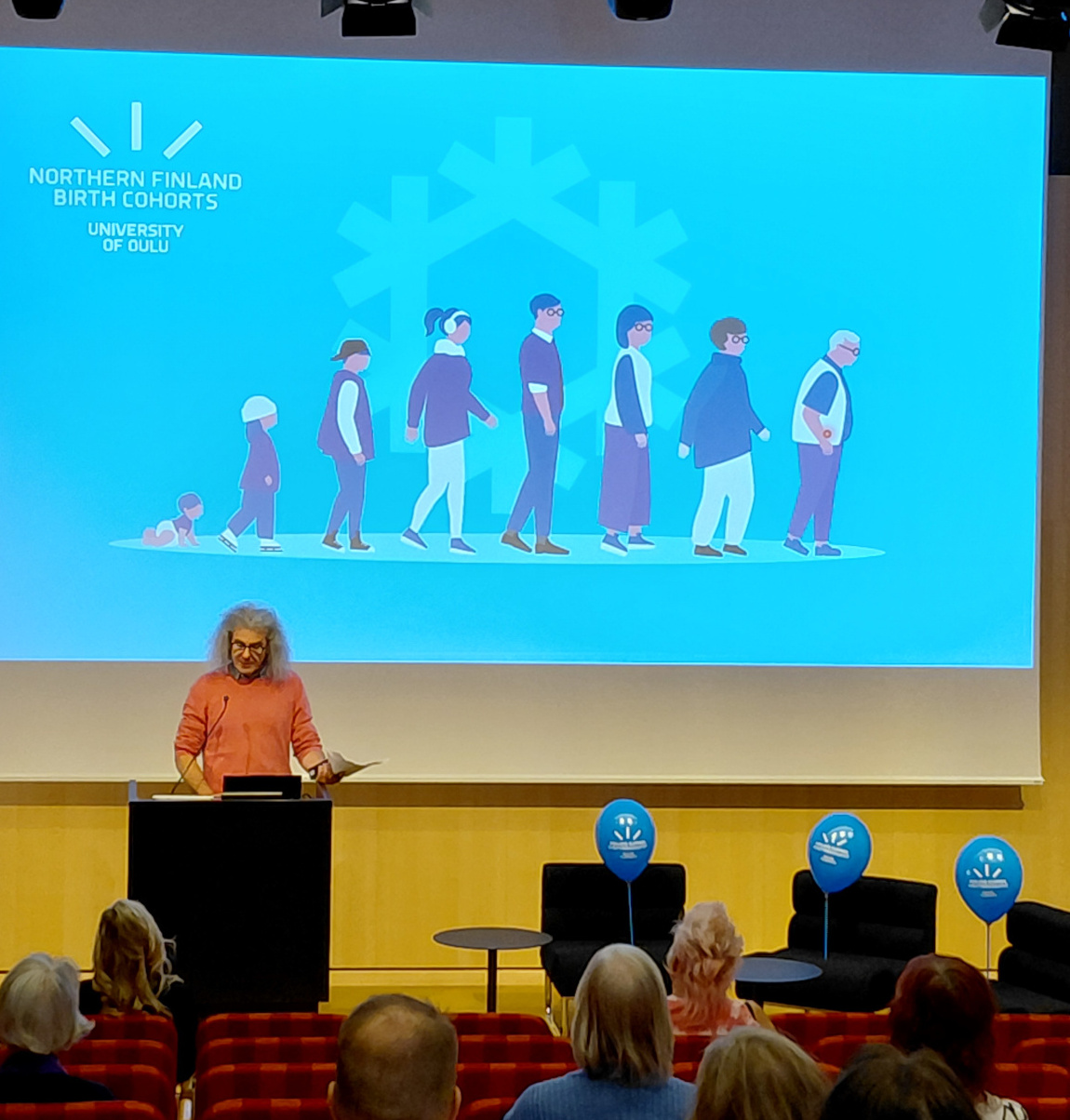

Oral health is an essential, though relatively newer, branch of NFBC studies. Ritva Näpänkangas, Docent and Specialist in Prosthetics and Stomatognathic Physiology, reminded the audience that oral health is not just about teeth and the mouth; it is closely connected to overall health. For example, oral health and pain are strongly linked to quality of life. Expected outcomes of oral health assessments in the 60-year-old cohort members include identifying links between exposures and oral diseases, determining the prevalence and risk factors of oral conditions in this population, and understanding how ageing affects oral health. The ultimate goal is to develop targeted, cost-effective prevention and treatment practices.
Cohort studies also provide an excellent setting for collecting novel and reference data. Teemu Myllylä, Professor of Brain Technology and Medical Engineering, presented a new device—the glymphometer—for measuring brain function and health. This non-invasive device, developed by a multidisciplinary team at the University of Oulu, integrates five simultaneous sensing modalities from the forehead: ultrasound, electroencephalography, bioimpedance, biophotonics, and microwaves. The aim is to collect reference data from 60-year-olds who, in most cases, have not yet developed brain diseases such as Alzheimer’s disease, Parkinson’s disease, or frontotemporal dementia, which typically become more prevalent after age 60. In the future, this research and dataset may help enable earlier diagnosis and treatment of brain diseases, leading to improved health outcomes.

Postdoctoral researcher Erika Jarva from the University of Oulu and the STAGE project explained that public involvement in research can include, for example, contributing to the planning of or commenting on research proposals. Such involvement is increasingly common in health research, as it introduces new perspectives and enhances the relevance and transparency of research. In the current NFBC1966 data collection, public involvement has contributed to the design of large-scale online questionnaires and a complementary mobile application.
Participant involvement is expected to increase both the use of and engagement with the application.
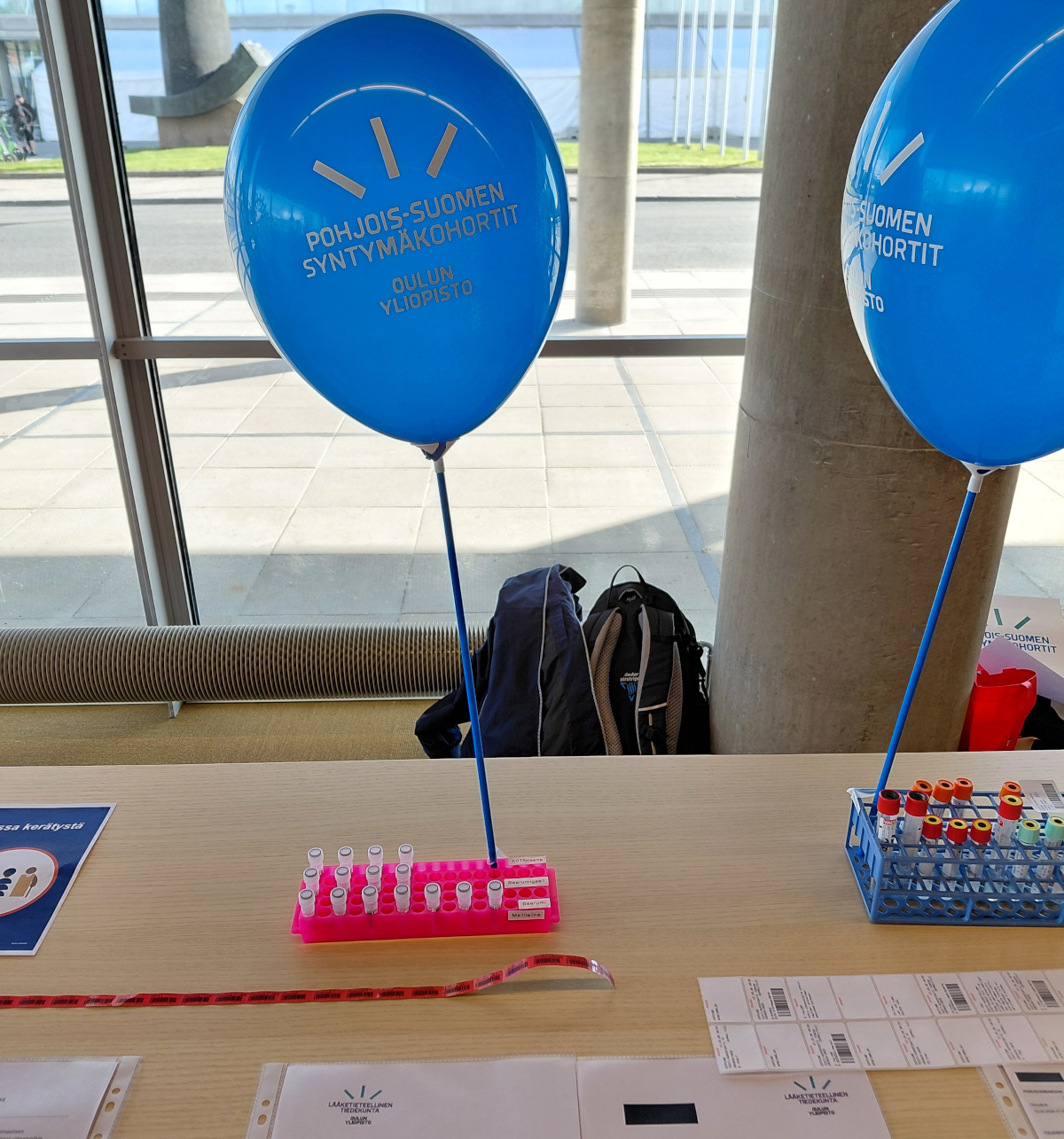
What about skin changes in toe webs and other areas? Docent and Dermatologist Suvi-Päivikki Sinikumpu reminded the audience that skin changes can sometimes indicate underlying diseases. Skin disorders are often overlooked by patients and therefore undertreated, despite their significant impact on quality of life. She noted that approximately one-third of patients seen by general practitioners have a skin condition, and that prevalence increases with age. Among NFBC1966 participants, at age 46, 60% had skin diseases such as fungal infections, eczema, or rosacea. In this group, rosacea was associated with other health conditions, including depression, eye problems, cardiovascular disease (in women), and migraine (in men). Suvi-Päivikki emphasised that many skin conditions are easily treatable and that quality of life often improves quickly once treatment begins.
We eagerly await what the current NFBC1966 data collection and subsequent research will reveal about ageing and related diseases. We sincerely thank all NFBC participants and everyone involved in human research. Without them, this work would not be possible.