
UNDERSTANDING MULTI-MORBIDITY AND HOW ARTIFICIAL INTELLIGENCE CAN HELP
University of Barcelona.
As we age, many people develop two or more chronic diseases, a condition known as multi-morbidity. This is especially common in older adults, where managing multiple conditions can become a major challenge. Juggling various medications and treatments increases the risk of drug interactions and side effects, making it harder for patients to adhere to their treatment plans. It also means more frequent doctor visits, hospital stays, and ultimately, puts immense pressure on healthcare systems.
Despite the prevalence of multi-morbidity its prevalence, the way these multiple diseases interact and develop over time is still not fully understood. Adding to the complexity, disease progression is influenced by a person’s age, lifestyle, and environmental factors.
Our research aims to use Artificial Intelligence (AI) to predict how multi-morbidity evolves as individuals age. By developing advanced AI models, we can help doctors make better, more personalised decisions about patient care, and offer earlier interventions to improve long-term health outcomes.
A PERSONALISED APPROACH TO HEALTH: INTEGRATING THE EXPOSOME
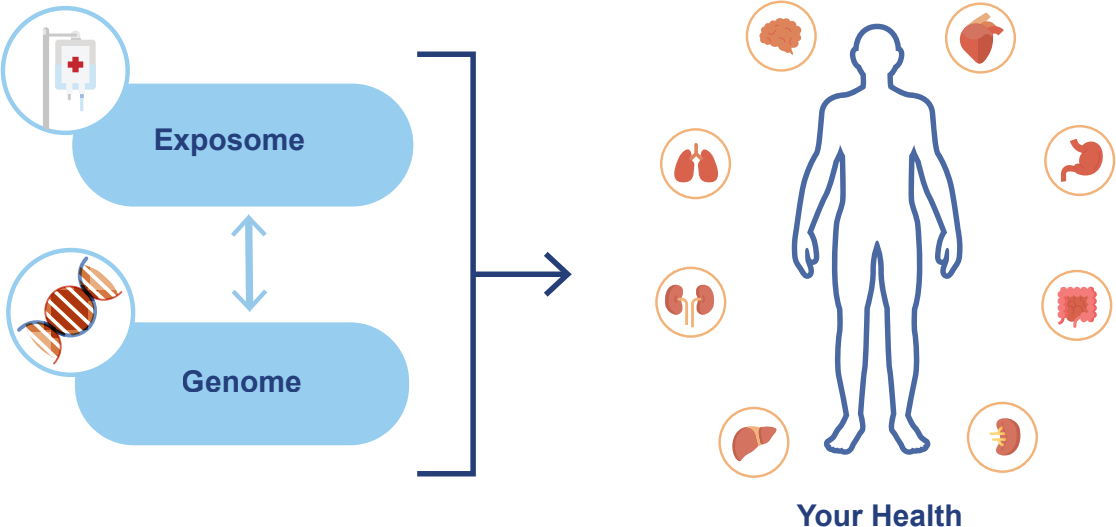
The STAGE project takes a holistic approach by creating AI models that account for a wide range of factors, including medical history, lifestyle habits, and environmental exposures like diet and pollution, factors collectively known as the “exposome.” This rich combination of data allows us to paint a fuller picture of an individual’s health and predict how multiple diseases might progress together. The goal is to empower healthcare providers to act earlier and more effectively, tailoring treatments to the unique needs of each patient.
MULTI-MORBIDITY ACROSS THE LIFE-COURSE.

BUILDING TRUSTWORTHY AI
IN HEALTHCARE
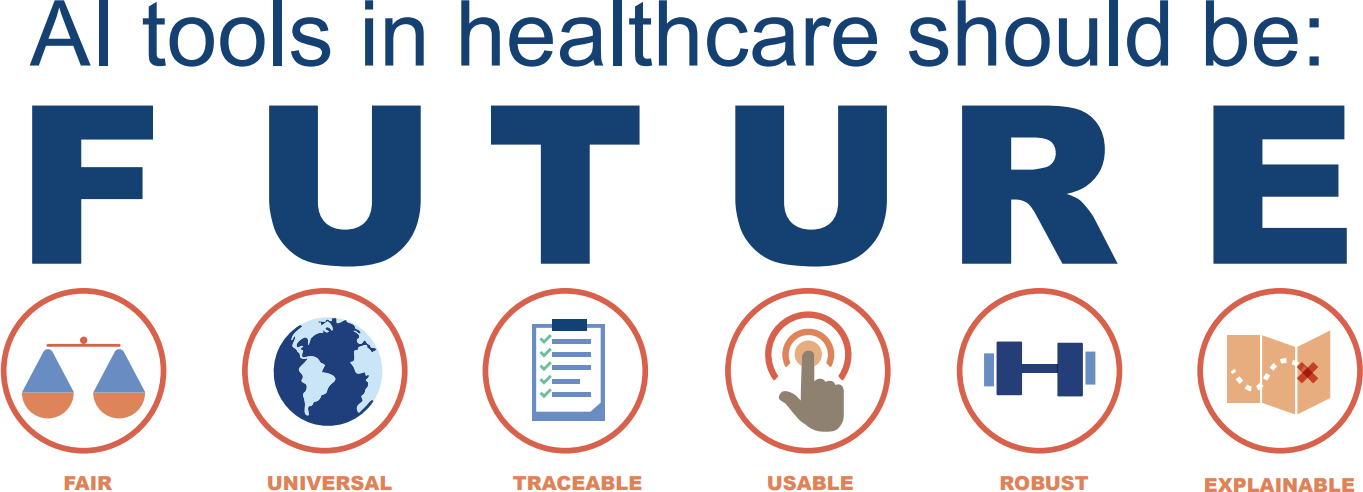
One of the biggest challenges with using AI in healthcare is trust. Clinicians, citizens, patients, and researchers alike often express concern about the “black box” nature of AI models, where decisions are made, but the reasoning remains unclear. That’s why we are committed to building trustworthy AI, which emphasises fairness, transparency, reliability and explainability. Our models will be designed not only to perform well but to explain their predictions clearly, ensuring they can be trusted by both doctors and patients alike. The AI models developed will be complemented by robust studies of the mechanisms which explain why we observe what we do – in other words, understanding the causes of the multi-morbidity patterns discovered.
MULTI-MORBIDITY ACROSS THE LIFE-COURSE.
WHO ARE THE STAKEHOLDERS?
- Healthcare Providers
- Patients and Patient Advocates
- AI Developers and Researchers
- Healthcare Administrators
- Ethicists and Legal Experts
- Regulatory Bodies
- Industry Partners and Investors
ENGAGEMENT METHODS

ENGAGEMENT
RECOMMENDATIONS
- Prepare the process based on objectives.
- Prioritise continuous and open dialogue.
- Ensure representation of under-represented groups in forums.
- Balance short-term needs with long-term vision.
- Provide training resources for stakeholders unfamiliar with AI.
- Engage throughout the entire AI lifecycle (from design to evaluation).
By listening to the needs of those directly impacted by multi-morbidity, we can build AI models that reflect the complexities of healthcare and work toward creating a system that clinicians can confidently integrate into practice and patients can trust to guide their care.
By Marina Camacho Sanz, University of Barcelona
To find out more about the project’s work on AI models, multi-morbidity patterns or the data catalogue, please visit our Work Packages pages.
To learn more about the FUTURE-AI framework, developed by 117 experts including our STAGE WP6 Leader, Professor Karim Lekadir, read the paper “FUTURE-AI: international consensus guideline for trustworthy and deployable artificial intelligence in healthcare”. This paper provides guidance for the development and deployment of trustworthy AI tools in healthcare.